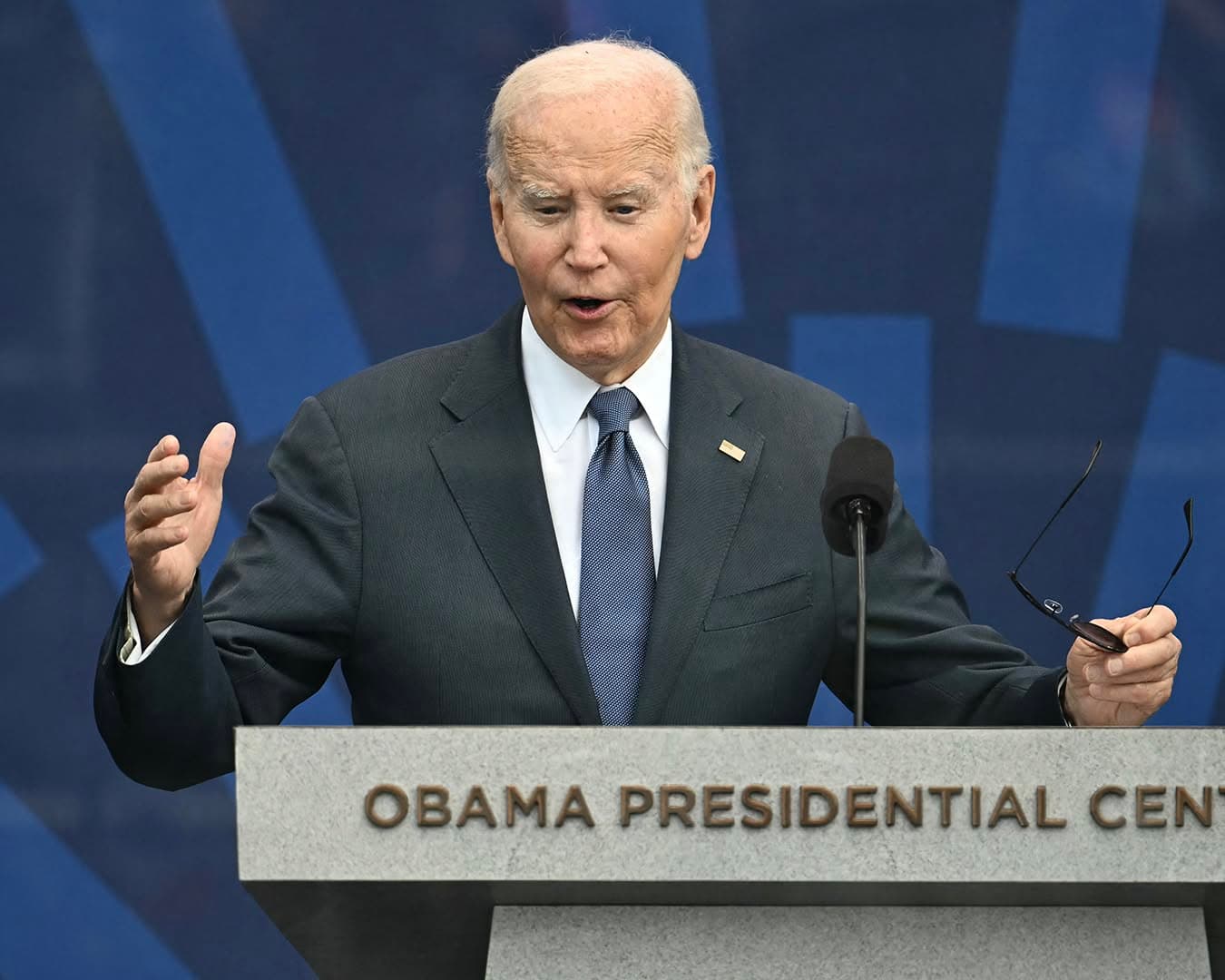
A federal appeals court has blocked the public release of audio recordings from President Joe Biden's interviews with special counsel Robert Hur. The decision dealt a significant blow to conservative advocacy groups and media organizations that had sued for access to the audio files under the Freedom of Information Act. The ruling solidifies the administration's stance on maintaining the confidentiality of the recordings.
The legal dispute stems from Hur's investigation into President Biden's handling of classified documents. Although the Department of Justice previously released the written transcripts of the interviews, it vehemently opposed releasing the actual audio. The administration argued that disclosing the physical voice recordings could jeopardize future high-profile investigations by discouraging key witnesses from cooperating fully with federal prosecutors.
In its decision, the three-judge panel of the appeals court agreed with the government's arguments, citing executive privilege and privacy protections. The judges ruled that the public's right to know was sufficiently satisfied by the release of the written transcripts. They concluded that the additional informational value of the audio recordings did not outweigh the potential harm to the integrity of future executive branch investigations.
The tapes have been a focal point of intense political debate. In his final report, special counsel Hur described President Biden as a well-meaning, elderly man with a poor memory, a characterization that sparked widespread discussion about his cognitive fitness. Republican lawmakers and opposition groups sought the audio files to highlight verbal stumbles and pauses, hoping to use the material politically, while the White House labeled those efforts as partisan theater.
As the United States navigates a highly polarized political landscape, this ruling sets a crucial legal precedent regarding the boundaries of executive privilege and the public's right to government transparency. Observers in the Asia-Pacific region and around the globe continue to monitor these developments closely, as domestic stability and the rule of law in Washington remain vital to international relations and strategic partnerships.
