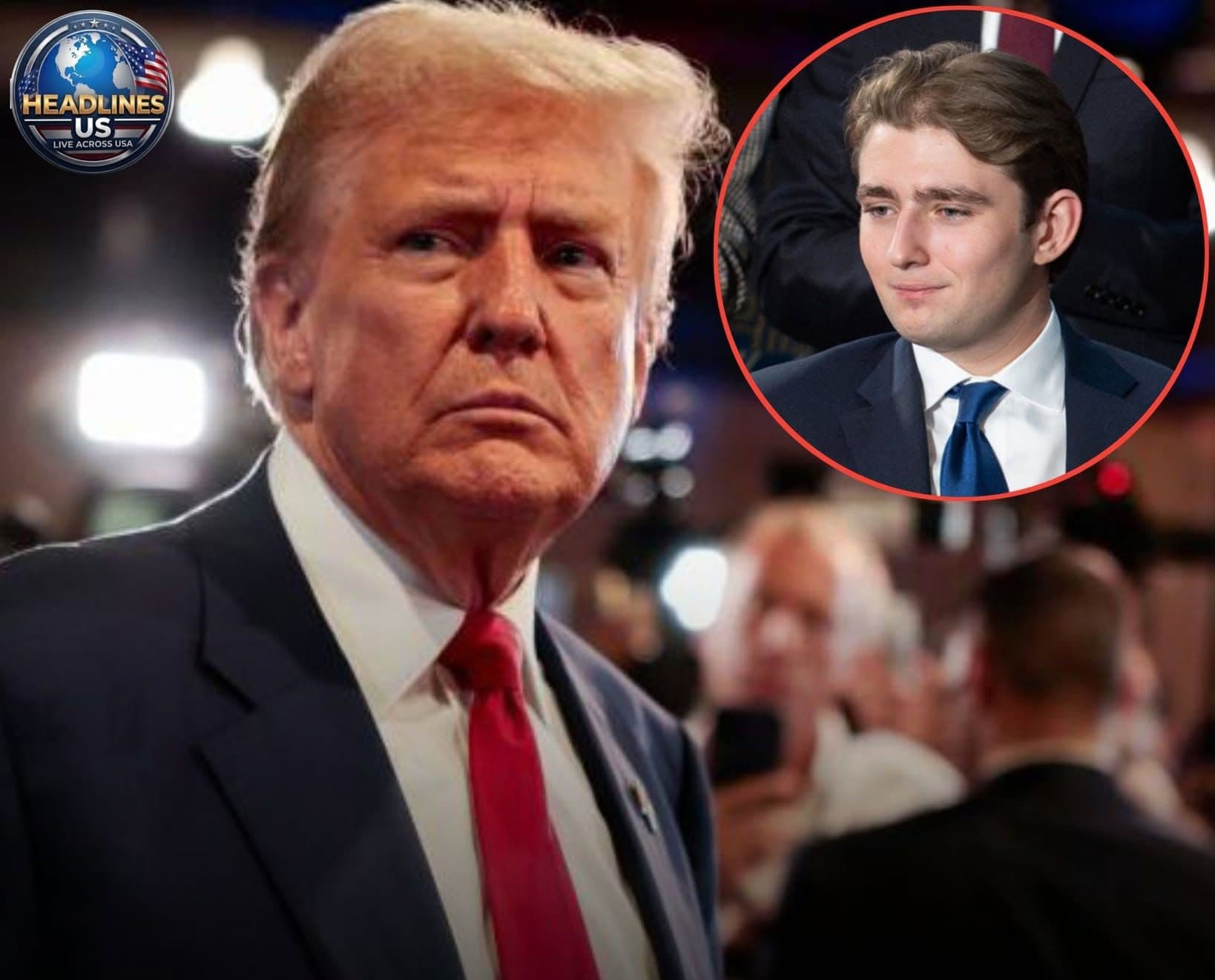
The escalating security landscape in the Asia-Pacific and globally has reignited a profound and ancient ethical dilemma: should the families of political decision-makers bear the same physical risks as the soldiers they deploy to war? This question touches on the core of democratic accountability, military ethics, and the growing divide between the ruling political class and the citizens who carry out their directives.
Historically, the concept of shared risk was a fundamental aspect of leadership. In ancient and medieval societies, monarchs and their heirs frequently led armies from the front, suffering casualties alongside their troops. However, in modern representative democracies and authoritarian states alike, the immediate families of top policymakers are rarely found in the ranks of the active-duty military, leading to persistent criticism that those who declare wars are insulated from their consequences.