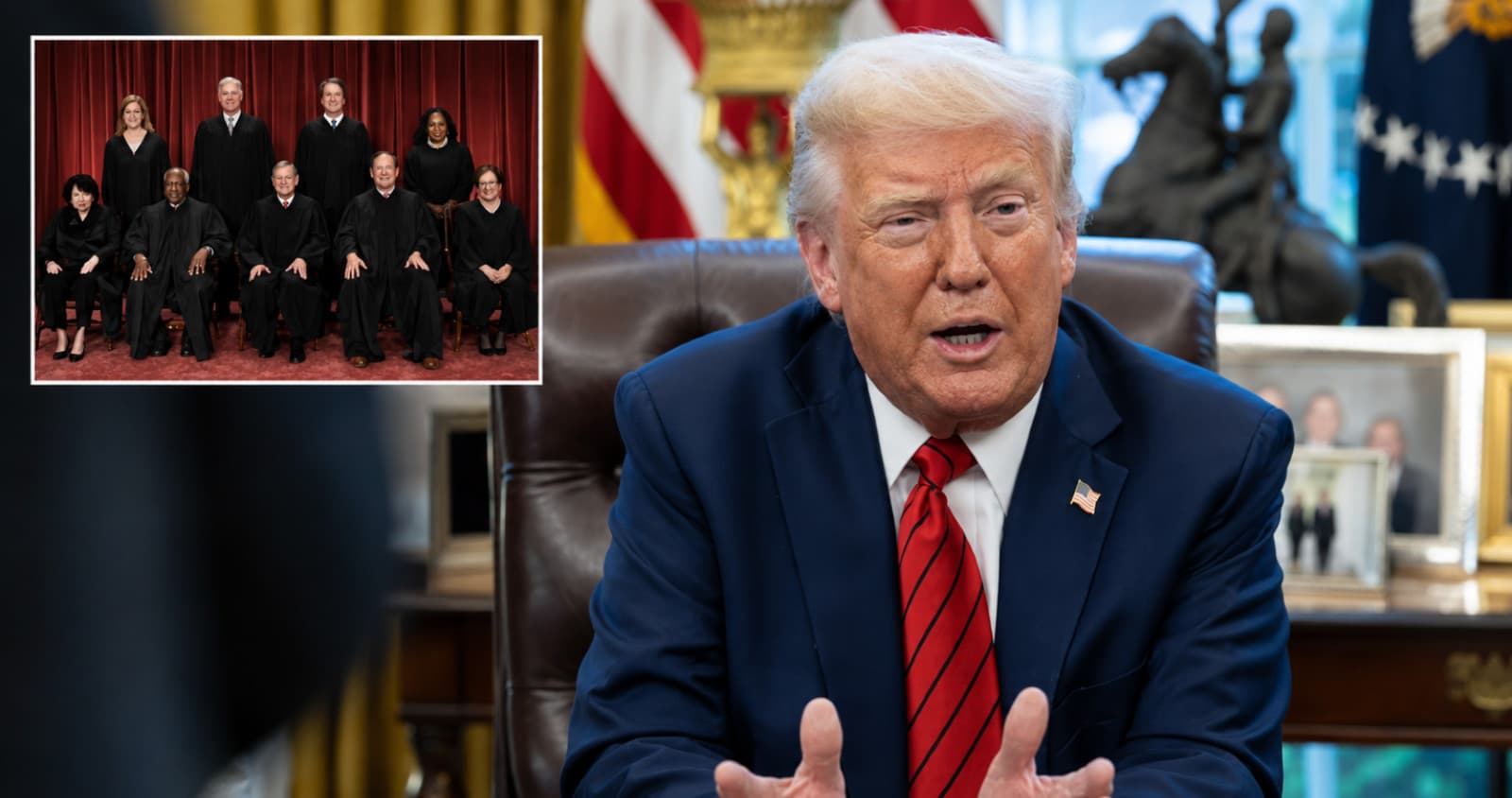
In a landmark 6-3 ruling, the U.S. Supreme Court has dramatically expanded presidential power over the executive branch by overturning the 1935 precedent established in Humphrey’s Executor v. United States. The historic decision eliminates decades-old statutory protections that previously shielded appointed leadership at independent federal agencies from being fired without cause. By granting the White House sweeping authority to remove officials at will, the ruling grants President Donald Trump and future administration leaders unprecedented control over federal administration and regulatory enforcement.
The legal battle centered on Federal Trade Commission (FTC) Commissioner Rebecca Slaughter, a Democratic appointee whose challenged tenure became the focal point of the administration’s efforts to consolidate executive power. Writing for the conservative majority, Chief Justice John Roberts formally ended the nearly century-old precedent, stating that any remaining protections under Humphrey’s were officially overruled. Conservative legal scholars have long contended that congressional restrictions on firing agency heads unconstitutionally infringed upon Article II executive authority, which vests sole management of executive branch personnel in the President.