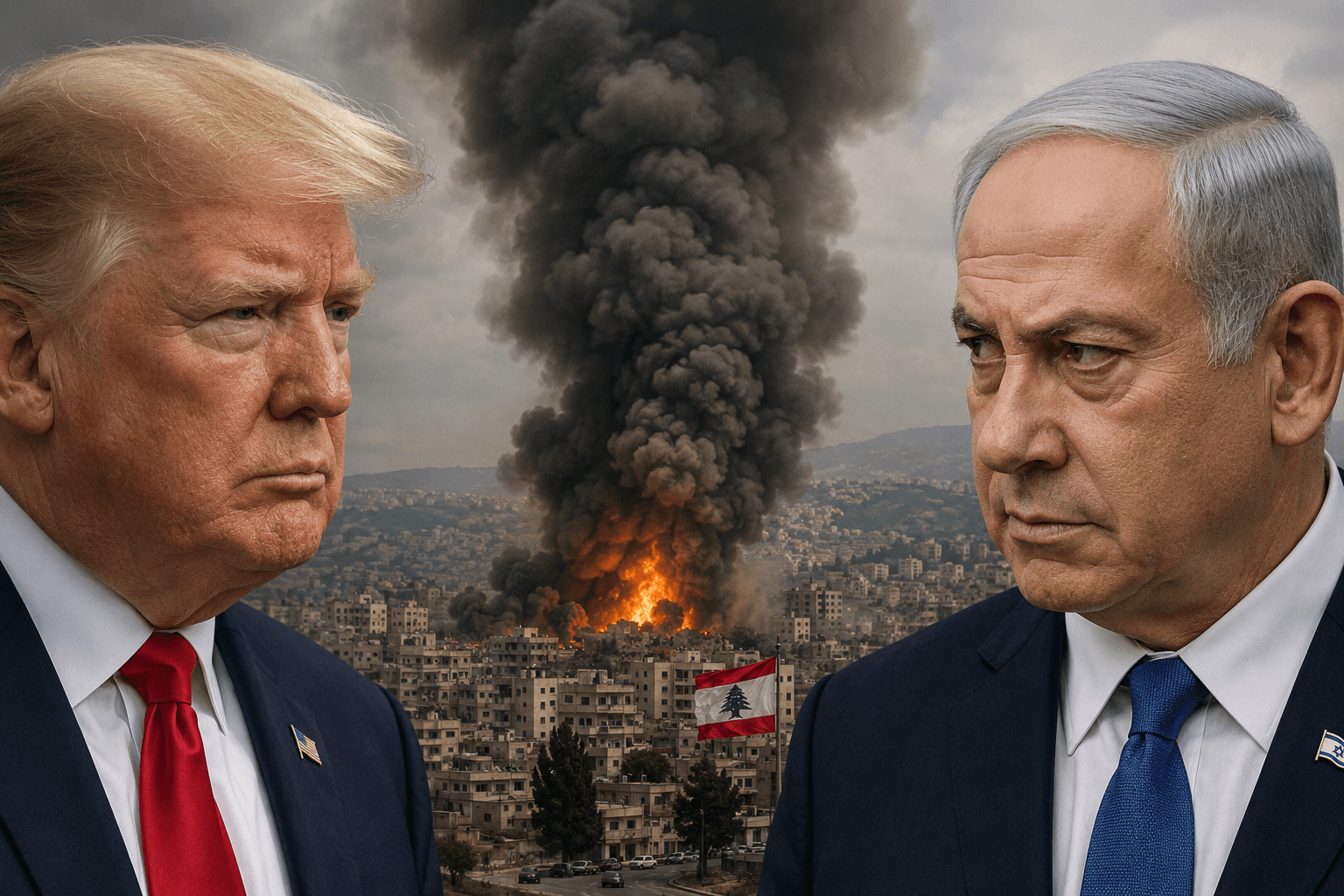
US intelligence agencies have stepped forward to warn the Donald Trump administration that Israeli Prime Minister Benjamin Netanyahu is highly inclined to take a misstep that could completely dissolve the newly forged, long-term peace agreement between the United States and Iran. This warning comes at a time when the Israeli leader is facing severe domestic political pressure to sustain military operations in Lebanon.
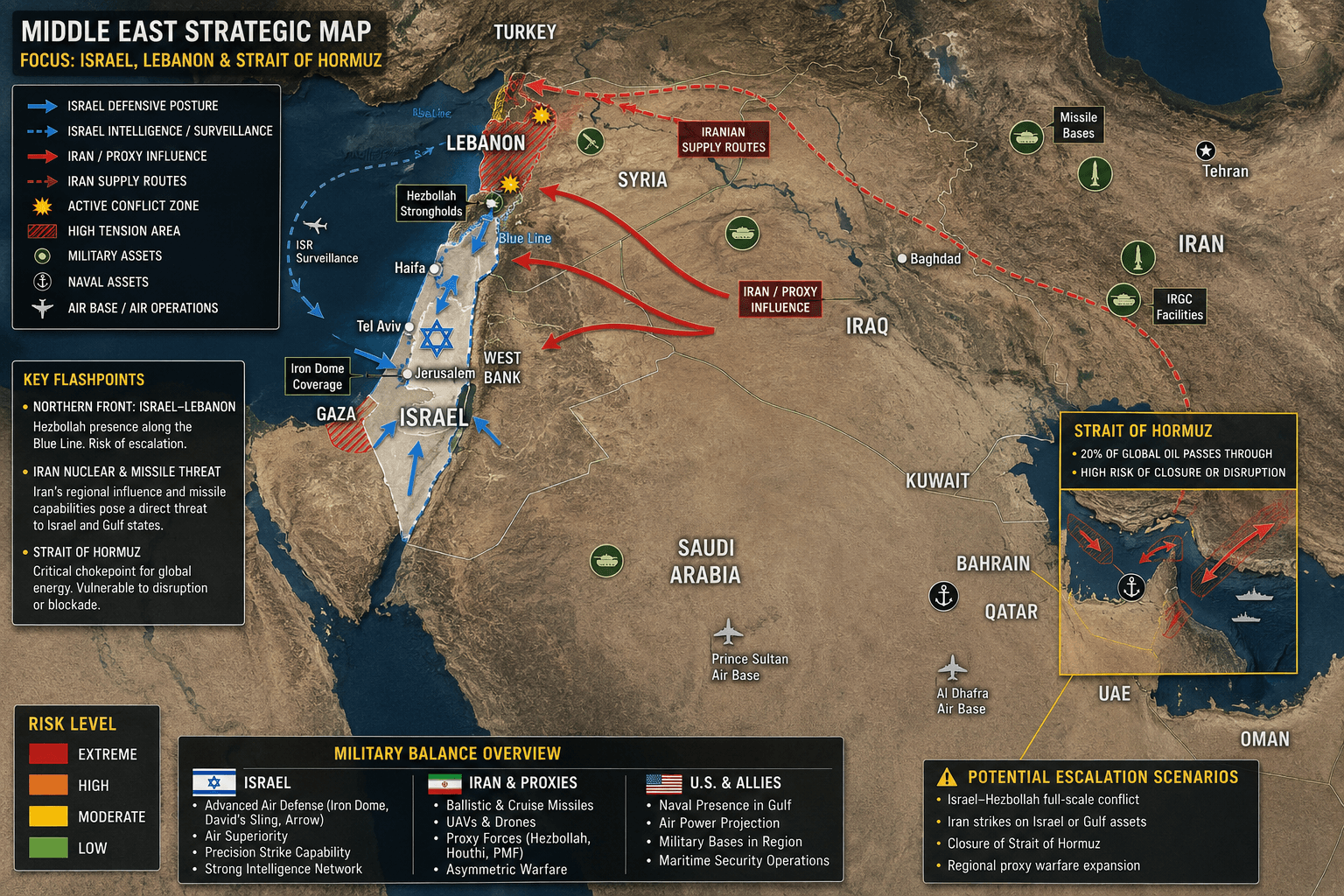
A strategic map of the Middle East focusing on Israel, Lebanon, and the Strait of Hormuz, overlaid with military arrow symbols and conflict zone graphics
A classified report published by The Washington Post on June 20, 2026, revealed that Israel appears intent on continuing its military campaign against Hezbollah—Iran's proxy in Lebanon. This intention directly contradicts and violates the core tenets of the nascent peace agreement, which explicitly demands the cessation of all hostilities in Lebanon. The US intelligence analysis emerges amid escalating tensions between Netanyahu’s government and officials in the Trump administration, following public warnings from the US advising Israel against attacking Hezbollah to prevent jeopardizing the deal.
Immediate Consequences: On Friday, an Israeli airstrike in Lebanon led to the immediate postponement of peace talks in Switzerland, and Vice President JD Vance subsequently canceled his scheduled trip.
If Netanyahu continues to defiantly push for war in Lebanon, it will not only shatter the US-Iran agreement but could also sever his ties with President Trump, who serves as his most crucial political backbone.
On Wednesday, Trump hinted that he had a "minor dispute regarding Lebanon" with Netanyahu, cautioning the Israeli leader against flattening an entire building every time a Hezbollah member steps inside. Nevertheless, the intelligence report concluded that with Israel facing national elections this coming autumn, Netanyahu’s political survival rests entirely on demonstrating to his electorate that he will absolutely not withdraw troops from Lebanon and remains committed to crushing Hezbollah.
Furthermore, Israel is deeply dissatisfied with the terms of Trump's deal, arguing that it eases pressure on Tehran and restricts Israel's ability to defend itself against threats from Hezbollah. Conversely, Trump administration officials insist that the agreement does not prohibit Israel from retaliating if attacked first. They maintain that Netanyahu's concerns are minor compared to the broader necessity of finalizing a peace deal to reopen the Strait of Hormuz and avert a global economic crisis. Despite these explanations, for Netanyahu, halting the war or withdrawing troops from Lebanon at this juncture is viewed as nothing short of a massive political defeat.
.png&w=3840&q=75)