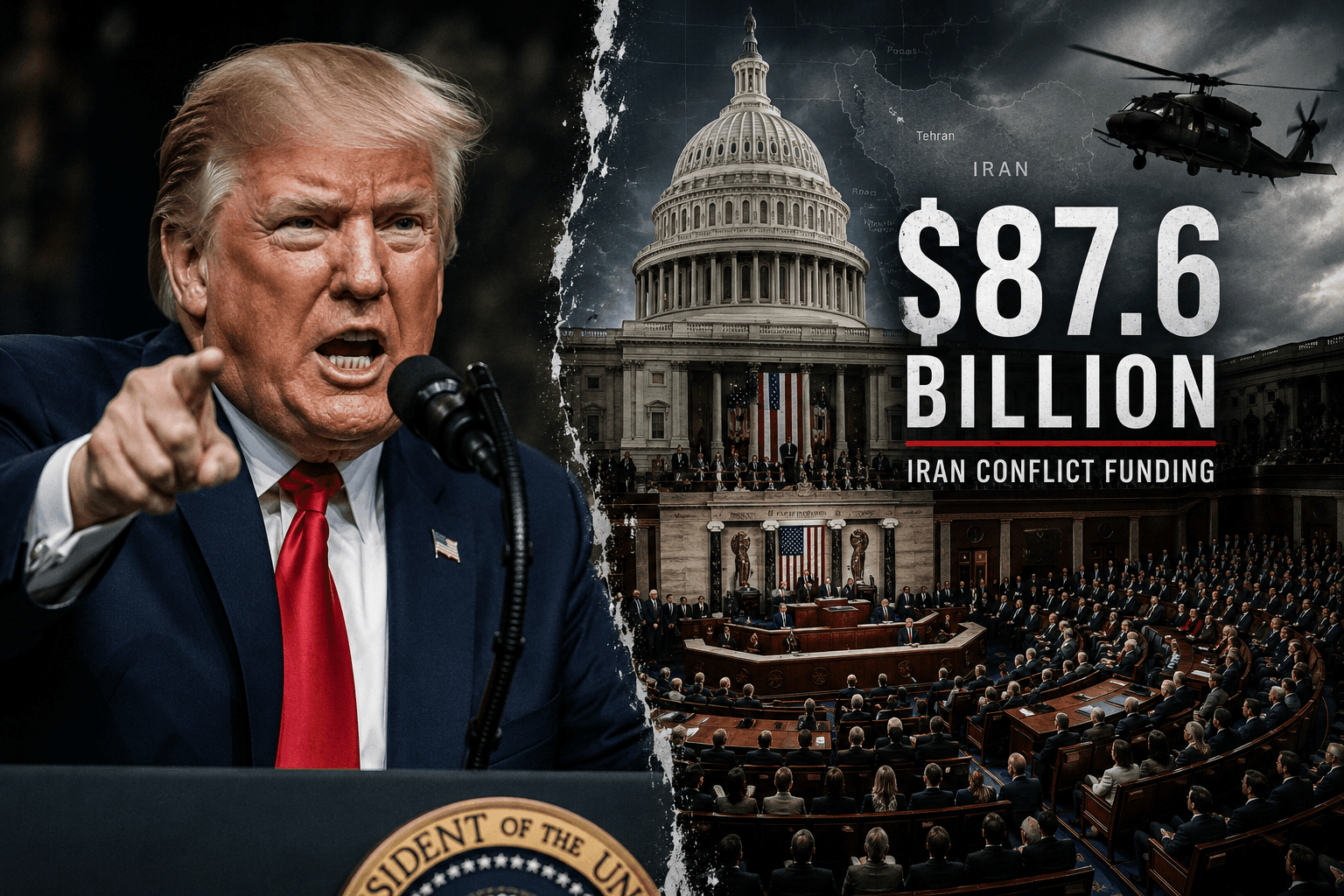

Even during a ceasefire agreement, the political fires of war inside the Capitol between the Trump administration and Congress are burning fiercely over the Iran conflict. On Wednesday, June 24, 2026, the White House officially submitted a request to Congress seeking approval for a massive budget package of up to $87.6 billion to be used for "urgent needs" related to the military and other affairs.
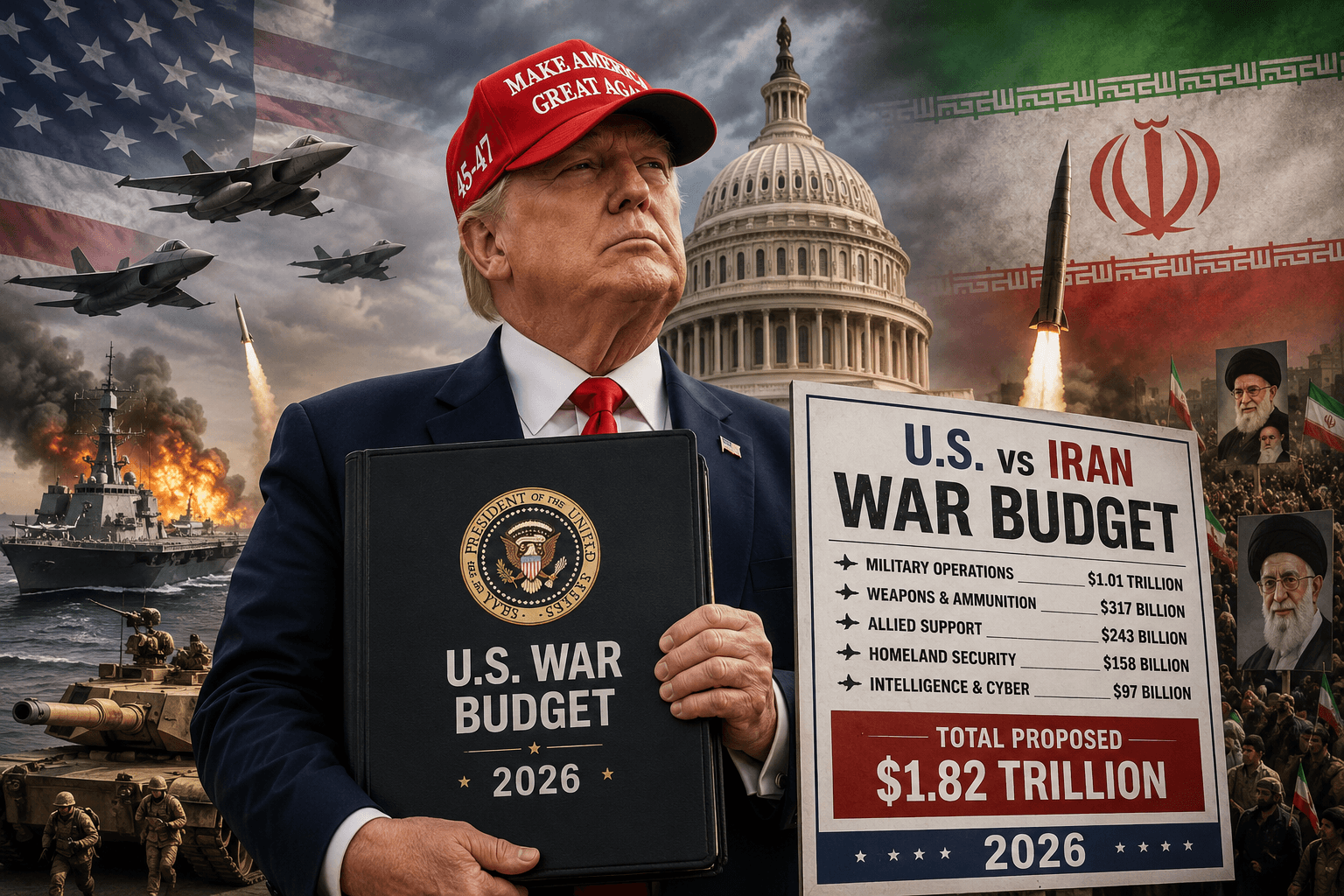
The White House requests an $87.6 billion budget package for Operation Epic Fury in Iran and other urgent needs, sparking anger among lawmakers over the prolonged conflict
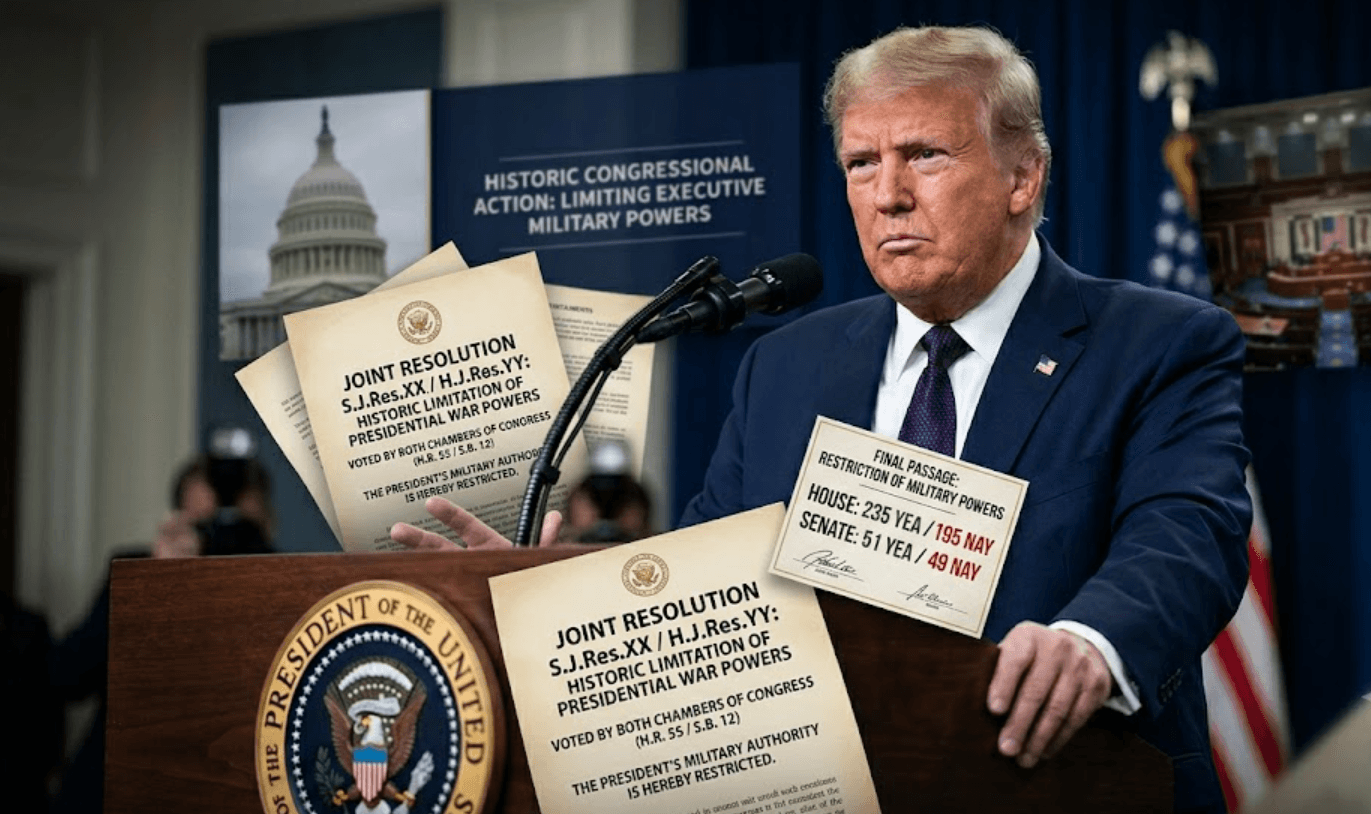
According to sources, this request comes just one day after Congress voted to reject and warn Mr. Trump regarding the use of military force in this war. Based on data leaked from the White House, the funds will be allocated as follows:
Budget Allocation Plan
- $67 Billion (Department of Defense): This includes $21 billion to purchase ammunition and restock inventory, $17.3 billion for general operations, and $12.1 billion for intelligence programs.
- $11 Billion: To provide relief for American farmers.
- $1.4 Billion: To combat the Ebola pandemic in Central Africa.
- $300 Million: To strengthen security at U.S. embassies across the Middle East and South Asia.
.png&w=3840&q=75)
Budget Allocation Plan
Internal Party Tensions and Pushback
The request is facing a massive hurdle, as the American public is highly dissatisfied with this war, especially with the midterm elections approaching in November. Even lawmakers from Trump's own Republican party have begun to express doubts about this peace plan.
During a tense closed-door meeting, Republican Senator Bill Cassidy directly yelled at Mr. Trump, stating: “You have never told the American people the truth about what is going on. This war was initially supposed to last only 4 weeks, but now it has dragged on for 4 months, and our initial goals still haven't been achieved.”
Although the Department of Defense reported last month that the war had cost roughly $29 billion, defense analysts and several lawmakers argue that this estimate is far too low and does not yet reflect the true scale of the financial damage caused by the conflict.